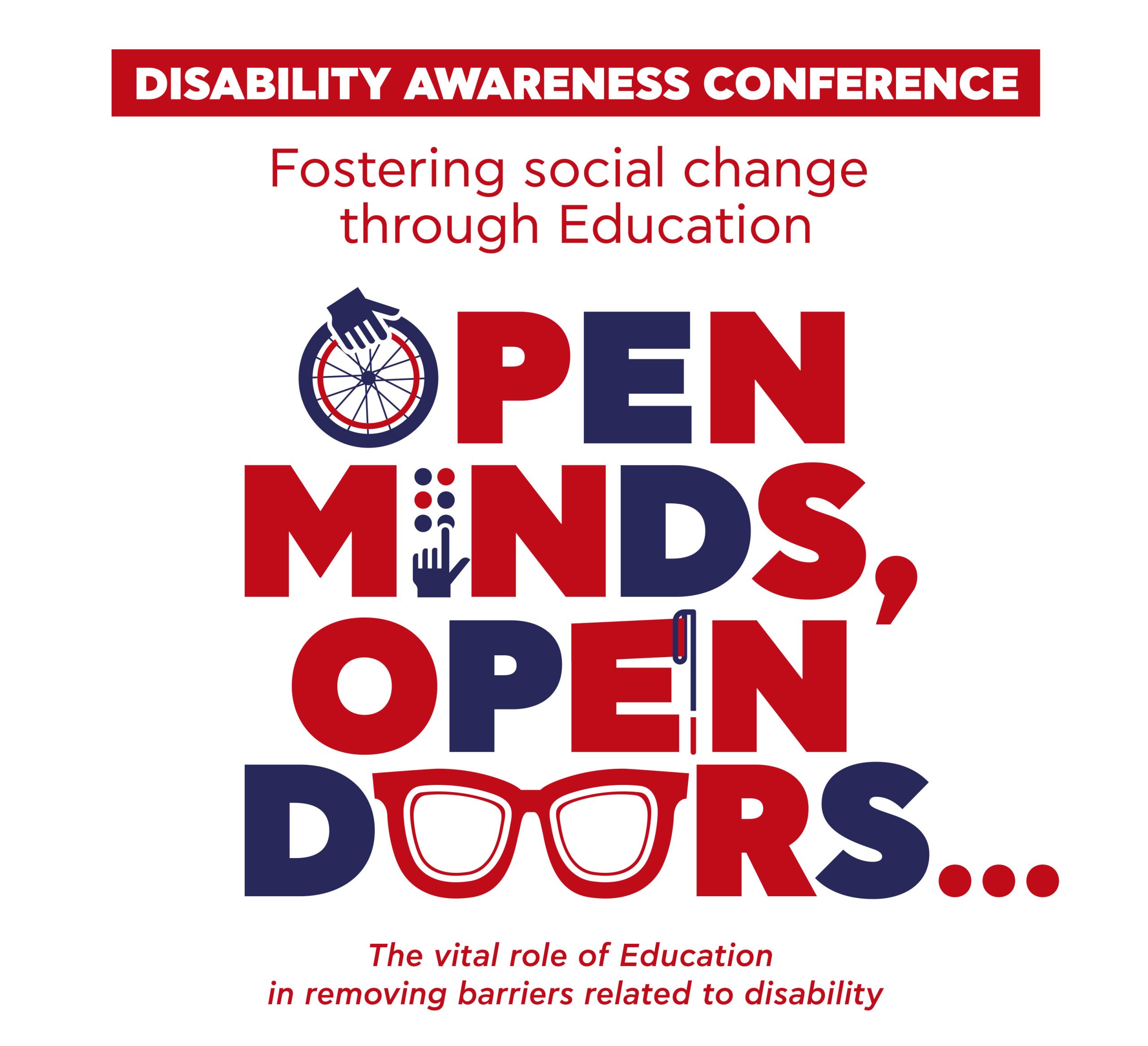
Open Minds, Open Doors. Disability Awareness Conference – Florence, February 20, 2026

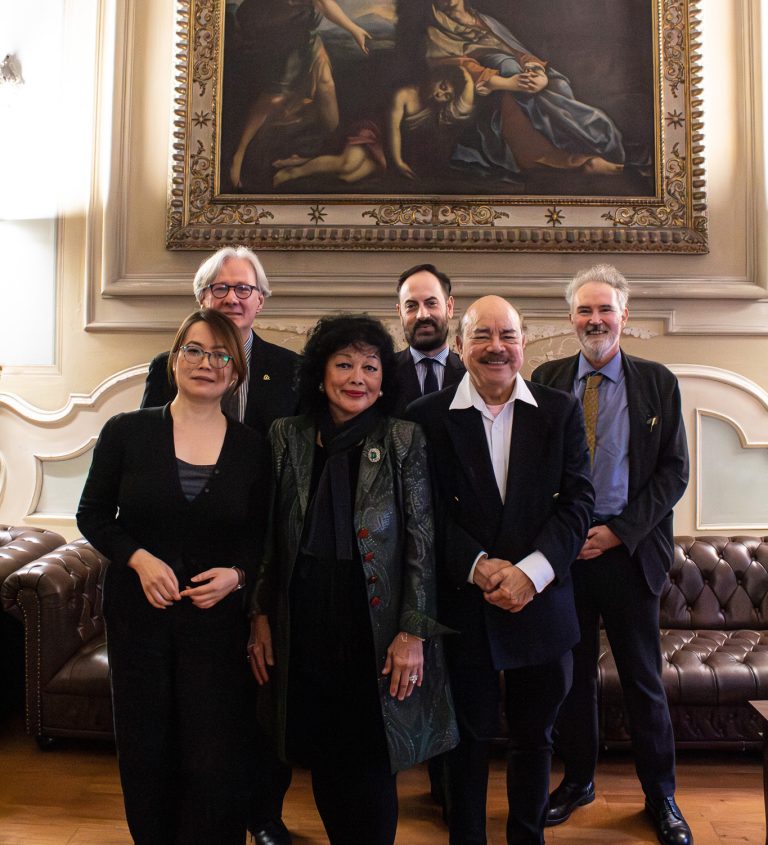
What does genuine inclusion actually look like, in a classroom, a care center, or a city? That question drove the international symposium “Open Minds, Open Doors,” held on February 20, 2026, at Gabinetto Vieusseux inside Palazzo Strozzi in Florence. Organized by Imagine Heritage, ISI Florence, SKEP, the Gabinetto Scientifico Letterario G.P. Vieusseux, and Fondazione Destination Florence, and held under the auspices of the City of Florence and the local UNESCO office, the event brought together researchers, practitioners, and educators from across Europe to share research, lived experience, and practical strategies for building more inclusive societies.
ISI Florence’s Contribution: Learning by Reversing the Relationship
ISI Florence director Stefano U. Baldassarri opened the conference. The institute’s closing session, titled “Florence Through New Eyes: Stories from an Inclusive Center,” was presented by Community Engagement Coordinator Serena Giorgi and DEIA Officer Nina Peci, and spotlighted ISI Florence’s Disabilities Practicum, a field experience program that places study abroad students directly within Florentine associations supporting adults with intellectual disabilities.
Giorgi’s account of the practicum challenges the standard logic of service learning. The program deliberately limits supervision, pushing students out of a helper mindset and into genuine reciprocity. Her clearest example: a student who did not know sign language, working alongside a deaf participant, simply asked to be taught. That reversal, moving from “I am here to help you” to “I need you more than you need me,” is, in Giorgi’s framing, where real empowerment begins. A reflection from Lucia, a participant at the L.I.N.A.R. day care center, reinforces the point. Lucia, who has an intellectual disability, described her enthusiasm for learning English, Spanish, German, and more from the students who visit. Inclusion, Giorgi concludes, is not charity. It is exchange.
Designing for Inclusion, Not Just Accommodating Around It
Peci brings a different professional lens to the same question. Drawing on her background in design and communications, she argues that most current approaches to academic accessibility amount to what designers call remedial design: add-ons invented to compensate for a flawed original. Giving a student extra exam time, she points out, solves a symptom without addressing the underlying problem of assessment methods that were never designed to be inclusive in the first place.
Her earlier work in visual literacy is equally instructive. An exercise she developed asked students to describe a familiar walking route using only visual cues, then only sensory ones such as smell, sound, and texture, with no street names or verbal directions. The point was to make tangible how differently people process the same environment, and how communication systems built around a single processing style will always leave someone behind.
A Proposal for EU-Wide Policy
The conference also produced a formal proposal paper calling for a coherent, common European Union policy on disability inclusivity in education, framed explicitly as a cultural, social, and civic necessity, not merely a legal compliance issue.
The Bigger Argument
Taken together, the contributions from Giorgi and Peci make a case that extends well beyond disability studies. When pedagogy and design start asking the same questions about inclusion, they argue, the answers stop looking like accommodations and start looking like better systems. That shift in framing is what “Open Minds, Open Doors” was ultimately about.