Spotlight on… Jan Kieling

From “New Kid” to Study Abroad Leader
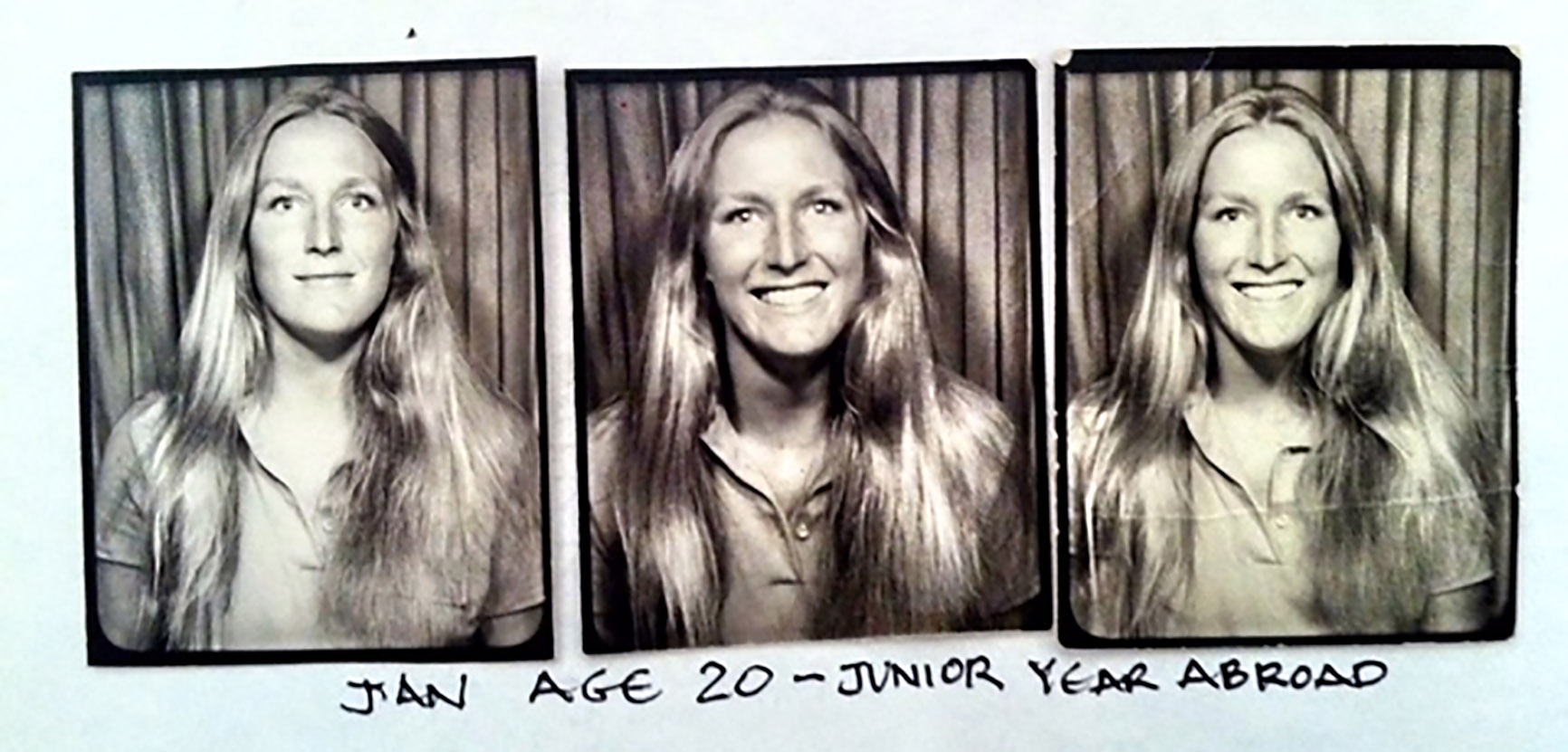
Jan Kieling’s passion for intercultural exchange began in childhood, growing up in a U.S. military family and moving frequently. Early exposure to international guests, languages, and food sparked a lifelong curiosity about the world. After her own transformative junior year at the University of Padua, she joined the University of California, Berkeley’s Education Abroad Program (EAP) in 1974—initially as a temporary job that turned into a 35-year career. Rising from front-desk adviser to Administrative Director, she helped expand participation, develop new program formats, and secure funding, while supporting thousands of students through their academic and personal journeys abroad.
A Retirement Still Rooted in the Field
After retiring in 2009, Kieling remained active through board roles with the Institute for Study Abroad (IFSA) and the Fund for Education Abroad (FEA). Her focus today is widening access—especially for first-generation, minority, veteran, and community college students—through scholarships and advocacy. She continues to attend conferences and contribute to global strategy, finding fulfillment in helping the next generation gain international opportunities.
How Study Abroad Shaped Her Worldview
Kieling’s own year in Italy during a period of political upheaval changed her perspective profoundly. Engaging in complex debates about U.S. policy, encountering diverse global viewpoints, and navigating uncertainty taught her empathy, humility, and critical thinking. This experience cemented her belief that education abroad builds independence, intercultural competence, language skills, and the ability to handle ambiguity—qualities highly valued by employers and essential for global citizenship.
Career Highlights and Lasting Impact
The Joy of Student Transformation
Her greatest reward was witnessing students return more confident and self-aware. She recalls heritage learners reconnecting with family roots and alumni who went on to influential careers in politics, business, and the arts. Helping students overcome bureaucratic barriers and access life-changing experiences became her life’s mission.
Access and Equity as Ongoing Challenges
Financial barriers remain the biggest obstacle. With rising student need and limited scholarship growth, expanding funding—particularly for low-income students—remains central to her advocacy.
The Evolution of Education Abroad
From Location-Driven to Curriculum-Driven
Study abroad has shifted from year-long, language-focused programs for humanities students to flexible models that serve all disciplines, including STEM. Today’s students choose programs based on academic fit and career relevance, and short-term, faculty-led experiences—when thoughtfully designed with reflection and local engagement—can be deeply impactful.
A Recognized Professional Field
The rise of graduate programs and defined career paths for international education professionals marks a major advancement, strengthening the field’s expertise and sustainability.
Current Issues: Diversity, Safety, and Technology
Key priorities include diversifying participation, managing mental health and risk, and leveraging technology for recruitment and support. While digital tools improve access and safety, Kieling cautions that constant connectivity can limit immersion and personal growth.
Advice for Today’s Practitioners
Kieling encourages innovation, collaboration, and stronger research to demonstrate outcomes. Despite geopolitical uncertainty, she believes global mobility will remain vital—and that sending diverse cohorts abroad is more important than ever.