How an Unexpected Case of Sexual Assault Can Lead to Global Competence

How a Shocking Film Scene Sparked Global Learning in the Classroom
When a Classic Film Meets a Modern Lens
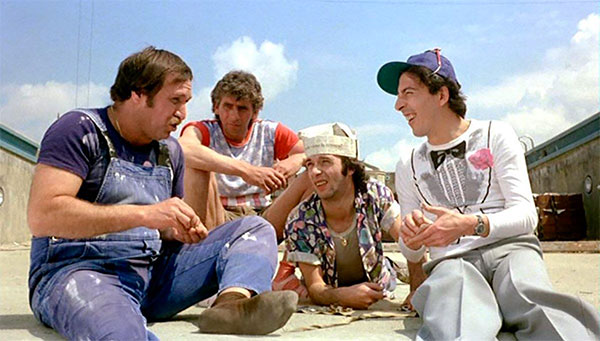
In an Italian cinema course exploring comic performance, a familiar classroom film—Berlinguer ti voglio bene (1977) by Roberto Benigni—unexpectedly provoked a deep and uncomfortable conversation about gender, consent, and cultural values. A scene depicting an apparent sexual assault triggered strong reactions among students, who saw it as an example of male violence and misogyny.
The instructor, who had shown the film for years without incident, suddenly faced a generation of students unwilling to dismiss or laugh off troubling portrayals of women. What began as discomfort evolved into a collaborative research project that bridged art, history, feminism, and ethics.
From Shock to Inquiry
Instead of silencing their reactions, the professor invited students to turn their discomfort into research. Ten of eighteen students chose to explore the controversial scene through five themes:
- The film itself
- Italian feminism in the 1970s
- Roberto Benigni and gender politics
- Sexual assault laws in Italy and the U.S.
- Sexual assault in film
Students worked in pairs, building bibliographies, blogging their discoveries, and presenting their findings to the class. The process became a powerful model of experiential learning.
Global Competence in Action
Although students did not arrive at the layered comic or literary interpretations their instructor expected, their responses reflected genuine global engagement. They connected the film to Italy’s legal and social history, investigated feminist movements, and compared American and Italian attitudes toward sexual violence.
This intercultural inquiry developed what educators call global competence—the ability to understand and navigate cultural difference. Students examined justice, morality, and gender within a transnational context, discovering that what may appear as “outdated” humor in Italy reflects complex historical and social realities.
Bridging Generations and Perspectives
The students’ visceral reactions also revealed the changing landscape of higher education. Today’s university students have grown up in a culture shaped by Title IX, #MeToo, and campus sexual violence prevention programs. Their sensitivity to representations of consent and power reflects an academic and social environment that prioritizes safety, respect, and inclusion.
For the instructor, this moment highlighted how global learning is not limited to travel or language; it begins in dialogue across generations and cultures. By revisiting the film through their students’ eyes, the professor gained new awareness of contemporary frameworks for justice and equality.
The Lesson Beyond the Screen
Ultimately, what began as a challenging classroom moment became an exercise in cross-cultural understanding. The project demonstrated that education abroad, and global education more broadly, requires openness to ambiguity and respect for differing worldviews.
As the article concludes, global competence involves more than knowing about other cultures. It demands empathy, curiosity, and the courage to question one’s assumptions. Whether in a Florence classroom or a film discussion in Virginia, these moments of dissonance can foster precisely the kind of critical reflection that global education aims to inspire.