Archaeologia Magistra Vitae? Digging Ancient Artifacts: A Metaphor for Knowledge

Discovering Wisdom Through Archaeology: Learning Beyond the Click
The Age of Instant Answers
We live in a digital world where information is just a click away. Need an answer? You “Google it.” But real knowledge isn’t instant, it’s earned. True understanding requires curiosity, patience, and effort. The best teachers don’t oversimplify; they guide students through complexity, helping them make sense of a world that’s far from straightforward.
Teaching Students to Embrace Complexity
Good educators show their students that life, like learning, is intricate. They equip them with tools to think critically, analyze deeply, and face challenges thoughtfully. This is how real wisdom, sapientia, as the ancients called it, is formed. Inspired by classical thinkers like Plato and Cicero, this philosophy still guides how we teach at The Umbra Institute today.
Archaeology: From Treasure Hunting to Science
Modern archaeology isn’t about treasure maps or hidden tombs, it’s about understanding people. A pot, wall, or temple isn’t just an artifact; it’s a story, a document of human life. Archaeologists study these traces scientifically, using data, logic, and rigorous fieldwork to uncover how people once lived.
While not every piece of the past can be recovered, the process of discovery itself reveals who we are today. Each excavation connects the present to the ancient world and helps us see the enduring complexity of human civilization.
The Umbra Institute’s Archaeological Field School in Italy
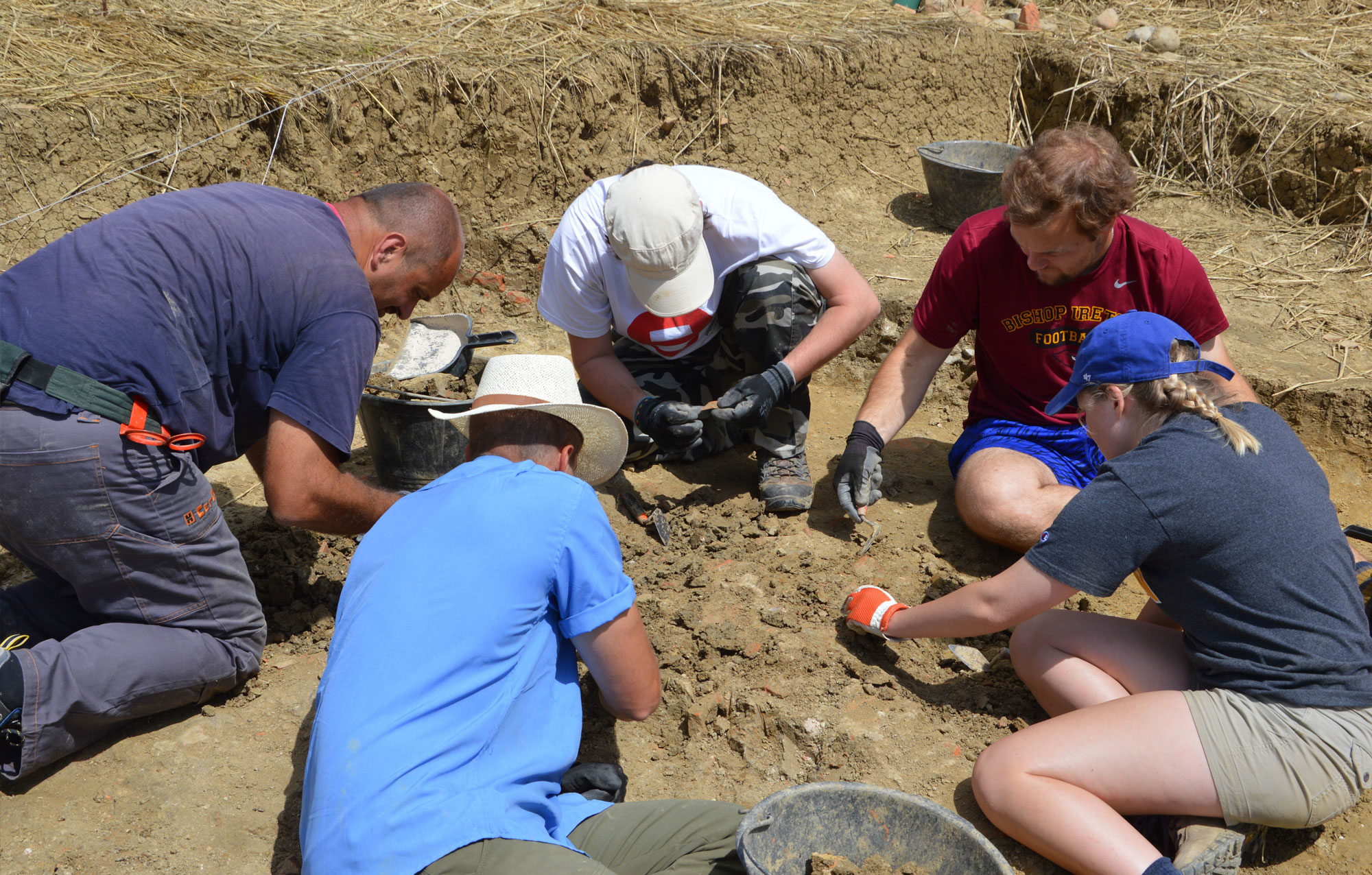
At The Umbra Institute in Perugia, Italy, students have the rare chance to experience archaeology firsthand through our archaeological field school near Lake Chiusi. This summer program combines classroom instruction with field excavation, allowing students to explore Roman history where it actually happened.
Working alongside professional archaeologists, students help uncover the remains of a Roman villa on the Umbrian shores of Lake Chiusi. The site offers new insight into the Roman presence in Etruscan territory and invites students to think critically about history, geology, and anthropology.
A Hands-On Learning Experience
The program is open to all, no prior experience required. Students gain a holistic understanding of archaeology by blending theory and practice. They learn excavation techniques, artifact analysis, and how to interpret their findings in a broader cultural context.
This is experiential learning at its best: students don’t just read about the past, offering them the chance to touch it, study it, and learn from it. The process is challenging, but deeply rewarding.
The Lasting Value of Sapientia
In a world of shortcuts and instant information, the summer archaeological field school in Italy reminds us that real knowledge takes time and effort. Anyone can search for information online, but only those who dig deeper, literally and intellectually, discover lasting understanding.
Through this unique study abroad experience, students gain more than academic credit—they gain perspective, wisdom, and a connection to the human story that continues to shape us all.