Global versus Local: Linguistic and Cultural Variation in Study Abroad Programs

Global vs. Local: Rethinking Language Learning in Study Abroad Programs
The “Ciao Professore” Problem
If you’ve ever received an email from an American student in Italy beginning with “Ciao professore,” you’ll know something feels slightly off. While ciao is informal and friendly, pairing it with the formal professore clashes pragmatically in Italian. It’s not grammatically wrong—but to a native speaker, it sounds awkward or even rude.
This small mistake reveals a larger issue: many study abroad students, especially those in short-term programs, struggle with the pragmatic aspects of a foreign language—the subtle social rules that govern how meaning and politeness are expressed.
The Challenge of Language Learning Abroad
Most U.S. students abroad take short-term programs lasting only a few weeks. These programs make study abroad more accessible but rarely provide enough time to achieve true linguistic immersion. Students often remain inside an “American bubble,” socializing with other Americans and consuming familiar media, rather than interacting deeply with locals.
Without meaningful contact with native speakers, students may learn vocabulary and grammar but miss the cultural and contextual nuance needed for authentic communication.
Why Pragmatics Matter
To bridge this gap, the article argues that study abroad language instruction should incorporate pragmatics—the study of how context shapes meaning. Pragmatic knowledge includes knowing when to use formal or informal speech, how to make polite requests, or how to express disagreement respectfully.
Teaching pragmatics can prevent common misunderstandings, like the overuse of direct phrases (“I want” instead of “I would like”), which can sound impolite in Italian. Instead of treating grammar as a rigid ladder of difficulty, programs should connect grammar to real-life communicative functions. For example, teaching the conditional mood (vorrei, “I would like”) early on empowers students to express wishes and politeness from the start.
Beyond Grammar: Embracing Linguistic Diversity
Another key point: there’s no single “Italian language” or “Italian culture.” Italy’s linguistic landscape is incredibly diverse, with regional dialects, accents, and social norms that vary dramatically across the country. Understanding this diversity helps students appreciate Italy’s localism—the deeply rooted sense of regional identity that shapes everyday life.
Rather than avoiding these differences, study abroad programs should expose students to them. Even basic awareness of regional variation can enhance students’ cultural competence and prevent cultural faux pas.
A New Approach: Learning About Language
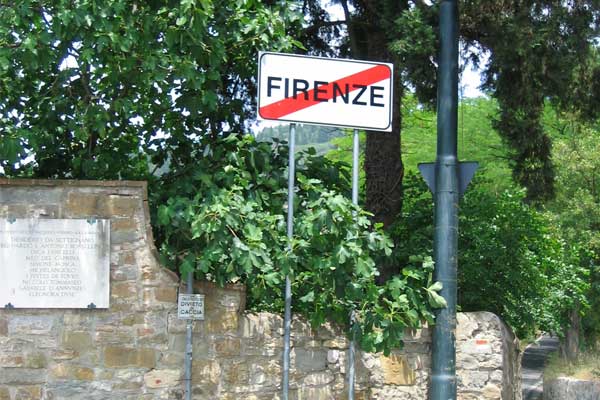
The article suggests supplementing Italian language classes with English-taught courses on multilingualism in Italy. Students could explore how dialects, slang, and local expressions shape communication, perhaps through hands-on “linguistic landscape” activities—analyzing signs, graffiti, and public texts across Italian cities.
Such courses wouldn’t replace language learning but would enrich it, helping students see language as a living reflection of culture, identity, and social connection.
Conclusion
True intercultural understanding requires more than vocabulary—it requires sensitivity to how language operates in real life. By teaching pragmatics and embracing Italy’s local linguistic diversity, study abroad programs can help students move beyond the “bubble” and engage meaningfully with the world around them.