Rites of Passage to Adulthood and Global Citizenship. Transitions and Liminalities

Why Youth Transitions Matter
Understanding how young people become adults reveals where society is heading. Youth cross a cultural threshold, the “shadow line,” that shapes personal identity, social roles, and civic belonging. Globalization expands life options and contact with the Other, so identity is built through self and mutual recognition.
The Prolongation of Youth
Across Europe, youth lasts longer, especially in Italy. Milestones are delayed, finishing education, securing steady work, leaving home, forming couples, having children. This creates a no man’s land between adolescence and adulthood, a space of uncertainty for individuals and for policy.
The Five Thresholds to Adulthood
- Complete education.
- Enter stable employment.
- Leave the parental home.
- Form a couple, marriage or cohabitation.
- Have a child.
Failure to cross several thresholds fuels a sense of inadequacy and slows psychological maturation.
Liminality, Identity, and Adult-Centric Lenses
Researchers often interpret youth from an adult viewpoint, which can miss lived complexity. Many young Italians describe themselves in a limbo, aware that adulthood means responsibility, autonomy, and role stability. Yet they feel stuck between expressive freedoms and tangible conquests, such as income and bills in their own name.
Rites of Passage, Present and Absent
Classical rites of passage include separation, liminal testing, and readmission as adults. In late modern Italy, collective rituals have thinned out. Young people create personal, small group rituals, graduation or first nights out, that lack adult guidance and shared meaning. Without public endorsement, crossing the threshold becomes solitary and opaque.
Travel as a Rite, Often Sheltered
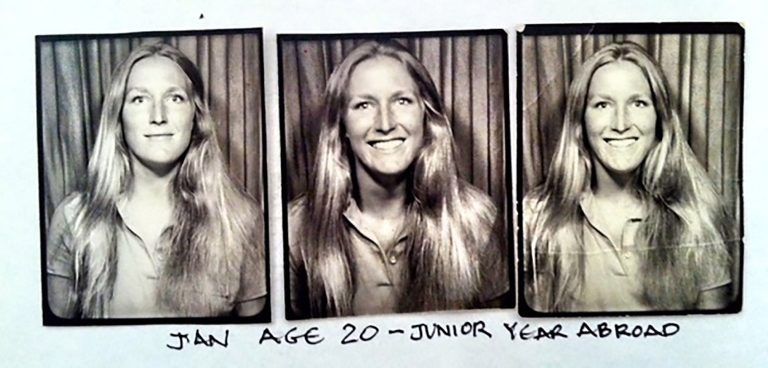
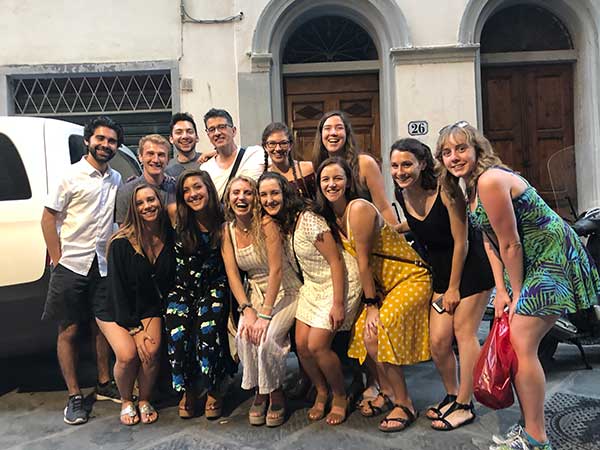
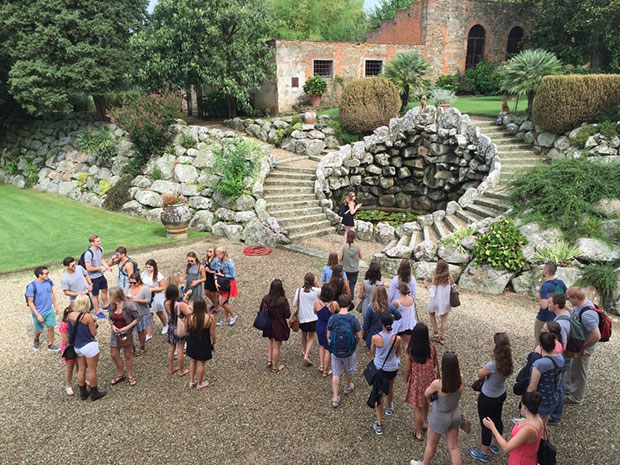
First trips without parents appear as important markers. Many experiences, study holidays, Erasmus stays, weekends to festival cities, are highly organized and risk free. Travel becomes Erlebnis, lived moments, rather than Erfahrung, cumulative learning. The result, fewer challenging encounters with the Other, fewer catalytic difficulties that build inner strength.
Italy and the United States, Divergent Paths
American and Italian youths share global symbols yet interpret autonomy differently. U.S. students equate living on one’s own with full financial independence, Italian students often do not. American college years feel like a finite game that ends at graduation, Italian timelines are blurrier, due to weaker thresholds and rituals. Both groups often treat travel as play, intensive but shallow, which limits deeper cultural acquisition.
Key Takeaway
Adulthood and global citizenship emerge through culturally specific paths. Under the appearance of global sameness, there is real heterogeneity. Societies that want resilient adults should restore meaningful, shared rites, strengthen transitions across the five thresholds, and promote travel that tests, teaches, and transforms.